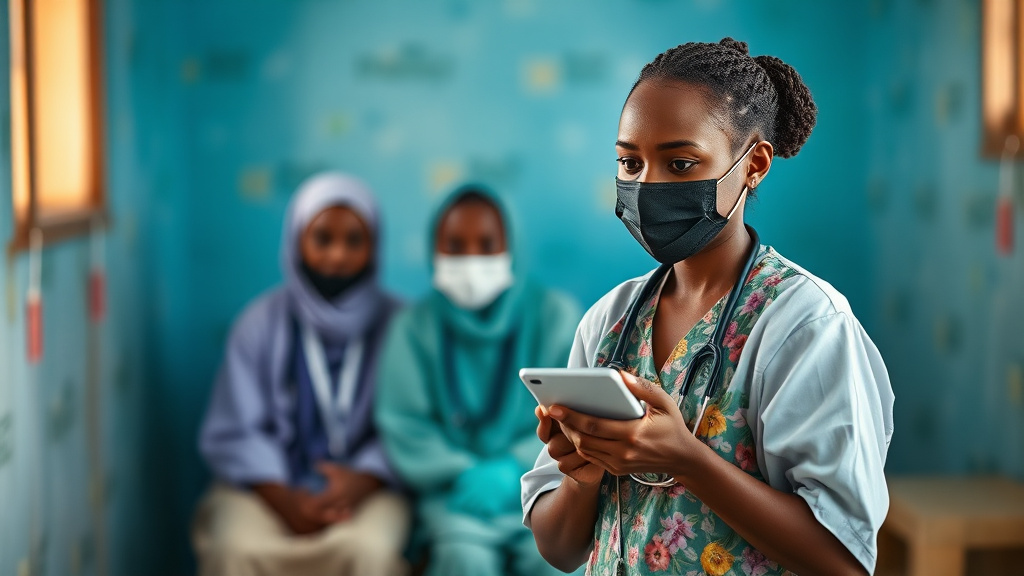

Every year, diseases that can be prevented take millions of lives in resource-poor nations, yet proven solutions remain out of reach for vulnerable populations. Recognizing this critical gap, the World Health Organization has launched extensive programs to enhance disease prevention strategies across areas with limited resources. This article explores WHO’s forward-thinking methods, including improved surveillance systems, vaccine distribution programs, and training for local health workers, intended to save lives and build resilient healthcare infrastructure where it matters most.
WHO’s Holistic Approach to Preventing Disease
The World Health Organization has developed a multifaceted strategy to fight disease in resource-limited settings, tackling the fundamental drivers of health disparities. By merging evidence-based interventions with community knowledge, WHO emphasizes developing long-term approaches that go past temporary aid. This strategy recognizes that effective disease prevention necessitates coordination across multiple sectors, such as education, sanitation, and nutrition, providing comprehensive protection for marginalized groups.
Central to WHO’s mission is the principle of fair health distribution, ensuring that all individuals have availability of preventive care irrespective of economic status. The organization works closely with local partners and national governments to tailor interventions to local requirements and cultural factors. Through joint partnerships and mutual accountability, WHO enables communities to assume responsibility for their health outcomes, promoting sustained resilience and self-sufficiency in disease prevention efforts.
Developing Local Healthcare Facilities
Bolstering healthcare infrastructure serves as the cornerstone of WHO’s prevention programs in low-income regions. The organization dedicates funding toward establishing and upgrading health facilities, from community health centers to specialized testing facilities, ensuring communities have access to critical care. These facilities function as centers for outbreak monitoring, vaccination campaigns, and pregnancy and childbirth care, directly reducing mortality rates and boosting public health indicators in underserved areas.
Infrastructure development goes further than physical facilities to incorporate reliable supply chains for medications and diagnostic equipment. WHO promotes the development of refrigerated logistics systems for vaccine storage, laboratory networks for pathogen identification, and reporting infrastructure for real-time health data reporting. These integrated networks create a robust framework that enables rapid response to health emergencies and guarantees ongoing availability to essential medical services for isolated and disadvantaged groups.
Capacity Enhancement and Learning Programs
WHO acknowledges that long-term disease control depends on developing skilled healthcare workers at all levels. The organization delivers extensive training initiatives for physicians, nurses, laboratory technicians, and community health workers, providing them with current knowledge and practical skills. These programs integrate classroom instruction with practical training, ensuring healthcare professionals can accurately identify diseases, administer treatments, and inform the public about disease prevention methods in their local contexts.
Capacity development goes far past initial training to include ongoing professional development and mentorship opportunities. WHO establishes learning networks connecting healthcare workers across countries, enabling knowledge sharing and best practice adoption. By supporting workforce development and creating pathways for professional growth, the organization guarantees that low-income countries retain qualified personnel, reducing brain drain and building sustainable healthcare workforces equipped to handle current and emerging health challenges.
Influence on At-Risk Groups
The WHO’s enhanced illness prevention strategies specifically target the health disparities affecting marginalized communities in developing nations. By establishing targeted vaccination programs and improving medical facilities, these efforts guarantee that underserved populations gain equitable access to life-saving interventions. Vulnerable demographic groups notably benefit from strengthened detection systems that facilitate early disease detection and quick action, decreasing death rates significantly.
Community health workers function as crucial bridges between healthcare systems and underserved communities, offering culturally sensitive education and disease prevention. The WHO’s training programs strengthen community health leaders to detect disease risks, distribute vaccines, and promote healthy practices within their communities. This community-based model creates relationships, bridges language barriers, and makes certain that disease prevention strategies resonate with populations long neglected by traditional healthcare systems.
Future Initiatives and Global Partnerships
The WHO is dedicated to growing its prevention and control efforts through targeted funding in technology and infrastructure across low-income countries. Forthcoming initiatives will prioritize enhancing laboratory infrastructure, deploying cutting-edge diagnostic systems, and establishing real-time disease surveillance networks. These initiatives aim to support timely recognition and rapid response to new disease risks, ultimately decreasing disease load and death rates in at-risk communities worldwide.
International partnerships remain critical to WHO’s objective of advancing equitable health outcomes. The organization is working closely with governments, non-governmental organizations, and private sector stakeholders to mobilize resources and expertise. These collaborative efforts will enable information exchange, technology transfer, and long-term financial solutions, guaranteeing that preventive health approaches are not only implemented effectively but also maintained long-term for lasting impact in low-income countries.
