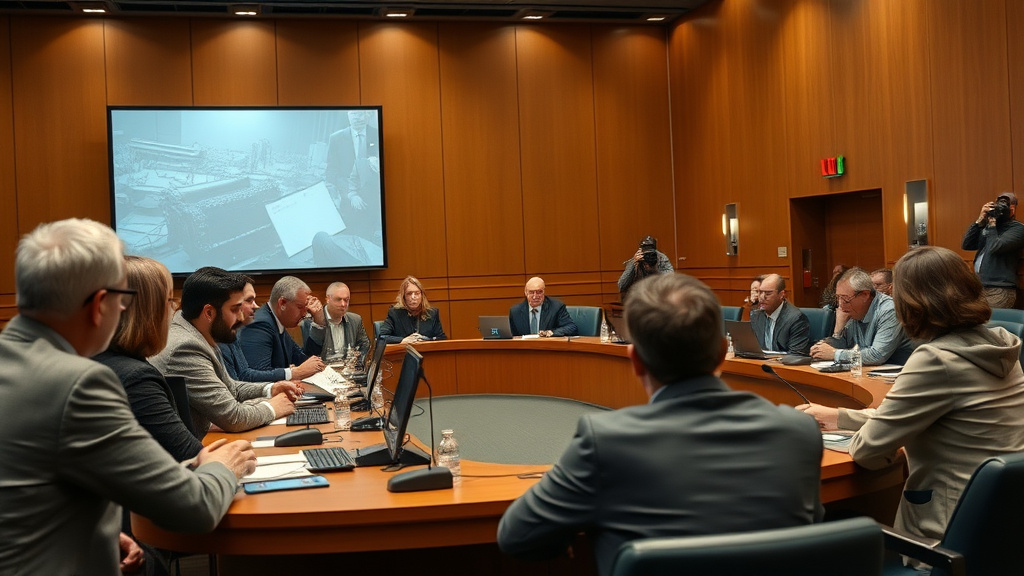

As industrial pollution intensifies dramatically, Congress confronts escalating demands to introduce tougher environmental standards that could transform manufacturing standards across the nation. Lawmakers are split on suggested measures designed to lower pollution and safeguard natural environments, while industry leaders caution about possible financial impacts. This heated disagreement sets conservation efforts in opposition to business profitability, prompting vital concerns about America’s manufacturing outlook. Comprehending these policy shifts is critical to manufacturers, investors, and citizens alike, as the outcome will significantly impact both ecological health and financial prosperity.
Legislative Effort for Tougher Ecological Requirements
Congress is intensifying efforts to create more strict environmental regulations that would significantly reshape how American industries operate. Lawmakers recognize that current standards have become inadequate in dealing with pollution and climate concerns. The proposed legislation is designed to lower greenhouse gas emissions, limit hazardous waste, and preserve natural resources. Environmental advocates maintain that stricter rules are essential to stop further ecological damage and ensure public health. However, the debate continues to be contentious as stakeholders balance environmental imperatives against financial concerns and implementation challenges.
The policy push behind ecological policy changes has grown significantly over the past year, driven by constituent demands and research findings of environmental consequences. Republican and Democratic lawmakers are increasingly acknowledging the critical need for ecological intervention, though they differ regarding particular strategies and implementation schedules. Some propose aggressive targets with immediate compliance deadlines, while some advocate for gradual implementation to reduce commercial impact. Business leaders have started participating in constructive dialogue with conservation organizations, seeking compromise solutions. This collaborative approach indicates potential pathways forward for balanced regulations that safeguard both environmental integrity and financial sustainability.
Key Proposals Under Consideration
Multiple detailed proposals are currently being debated in committee bodies, each addressing different aspects of environmental effects of industry. These initiatives range from targets for reducing emissions to waste management protocols and incentives for renewable energy. Supporters stress the sustained advantages of active environmental responsibility, including improved air and water quality, lower healthcare expenses, and enhanced ecosystem resilience. Critics voice concerns about compliance costs and competitive disadvantages for American manufacturers relative to international competitors with less stringent regulations. The debate focuses on finding optimal balance between environmental safeguards and economic sustainability.
The proposals being reviewed show varied viewpoints on environmental regulation and industry accountability. Some concentrate on specific sectors like energy production and chemical production, while others implement comprehensive standards. Recommended modifications feature longer timeframes for compliance, assistance programs, and financial incentives for early adopters of clean technologies. Stakeholders are working through details concerning oversight systems, penalty structures, and exemptions for small businesses. These conversations reveal the complexity of crafting rules that effectively address environmental issues while staying economically viable for diverse industrial sectors.
- Decrease greenhouse gas output by half within ten years
- Create mandatory pollution monitoring and disclosure obligations
- Deploy financial incentives for clean power and clean technology adoption
- Establish stricter standards for toxic waste management and management
- Require ecological evaluations for significant industrial developments
Sector Reaction and Financial Implications
Manufacturing industry key players have voiced significant apprehensions regarding the planned environmental rules, warning that adherence expenses could exceed billions of dollars annually. Major industrial organizations argue that strict environmental benchmarks may push smaller producers out of business, centralizing market power among bigger companies. Companies fear that increased operational expenses for pollution control equipment and monitoring systems will lower competitiveness in international markets, potentially resulting in job losses across different sectors.
Economic analysts provide mixed assessments of the regulations’ extended consequences. While some economists argue that environmental compliance could spur technological advancement and create green technology jobs, others contend that transition costs will exceed early gains. Industry representatives demand longer phase-in periods and monetary support to cover costs, arguing that abrupt regulatory changes without sufficient assistance programs threaten financial security and industrial competitiveness in the United States.
Manufacturing Sector Effects Assessment
The proposed regulations would directly affect approximately 15,000 manufacturing facilities throughout the nation, with differing amounts of impact according to industry type and existing pollution standards. Companies in industrial production, chemicals sector, and metalworking operations face the most substantial regulatory requirements. SMEs raise significant concerns about funding essential infrastructure upgrades, potentially widening the competitive divide between large international firms and domestic manufacturers facing budget limitations.
Sector-specific analysis demonstrates that automotive, aerospace, and electronics manufacturing would necessitate significant operational modifications to meet new standards. Companies must allocate resources toward more sustainable manufacturing technologies, upgrade facility equipment, and establish comprehensive monitoring systems. The financial burden extends beyond equipment costs to include ongoing training, compliance documentation, and possible operational disruptions during facility modifications, creating widespread financial repercussions throughout supply chains and dependent industries.
- Heavy manufacturing sectors face greatest regulatory expenses and equipment upgrades
- Smaller enterprises struggle with affording required operational upgrades
- Automotive and aerospace industries demand significant operational modifications
- Distribution network interruptions may increase pricing for consumers
- Employment losses concerns concentrated in transition-reliant industrial areas
Environmental Organizations’ Perspective
Environmental advocates strongly support the proposed regulations, arguing that stricter manufacturing standards are essential for safeguarding community welfare and combating climate change. They contend that current pollution levels pose serious risks to communities near industrial facilities, particularly low-income neighborhoods that have traditionally shouldered the burden of environmental degradation. Supporters stress that the sustained advantages of cleaner air and water greatly exceed immediate financial changes. They point to proven global examples where comparable rules have spurred technological advancement while improving environmental outcomes.
Advocates also emphasize the hidden expenses of inaction, including healthcare costs, environmental cleanup, and climate-related disasters that ultimately burden taxpayers. They contend that manufacturers have had sufficient opportunity to adapt and that modern innovations makes compliance feasible without catastrophic job losses. Environmental groups emphasize that funding cleaner production methods creates new prospects for green industries and sustainable employment. These advocates regard the regulations as an investment in America’s long-term prosperity and environmental stewardship.
Long-lasting Health and Environmental Benefits
The suggested regulations promise substantial improvements in air and water quality, directly benefiting population health across the nation. Lower industrial pollution would lower respiratory diseases, cardiac issues, and cancer rates associated with pollution exposure. Studies show that improved air quality produce fewer hospital visits, lower healthcare costs, and improved productivity. Environmental advocates emphasize that young people in less-polluted regions show better cognitive development and better disease resistance. These health benefits translate into significant economic savings for healthcare systems and better living standards.
Climate benefits represent another strong argument for stricter regulations. By reducing greenhouse gas emissions from manufacturing, the standards would play a meaningful role in national climate commitments and global warming mitigation efforts. Advocates note that early action prevents costlier climate impacts later, including intense weather phenomena and infrastructure damage. The regulations are consistent with international climate agreements and position America as a pioneer in environmental responsibility. Sustained environmental health supports farming output, water security, and ecosystem preservation essential for economic sustainability.
- Decreased breathing disorders and improved pulmonary health results across the country
- Reduced cardiovascular mortality rates in manufacturing areas
- Reduced greenhouse gas emissions supporting climate stabilization
- Improved water purity safeguarding aquatic ecosystems and fisheries
- Decreased medical expenses benefiting economy and families
Path Ahead and Middle Ground Options
As Congress remains engaged in debating regulatory frameworks, stakeholders have come to understand that extreme positions from either side may impede advancement. Establishing compromise necessitates both environmental proponents and industry representatives to recognize valid issues and strive for win-win outcomes. Ongoing dialogue point to that gradual rollout schedules and outcomes-focused requirements could achieve environmental targets while giving businesses sufficient time for compliance. This partnership model shows a expanding awareness that environmentally responsible manufacturing and business profitability need not be competing goals.
The emerging agreement emphasizes investment in innovation in sustainable technology solutions as key drivers for meeting regulatory requirements. Rather than enforcing strict regulations, lawmakers are exploring incentive-driven approaches that reward companies surpassing minimum ecological requirements. Tax credits, research grants, and public-private partnerships could speed up the shift to sustainable manufacturing practices. These progressive approaches show that ecological stewardship and industrial competitiveness can coexist through strategic planning, technological advancement, and genuine commitment from all stakeholders involved in the regulatory process.
Cross-Party Negotiation Efforts
Congressional committees have intensified cross-party negotiations to create environmental regulations suitable for diverse constituencies. Democratic and Republican lawmakers recognize that long-term environmental policy needs broad support and genuine compromise. Recent sessions between committee members, environmental organizations, and industry representatives have produced promising frameworks balancing ecological protection with economic concerns. These joint sessions demonstrate that despite political divisions, mutual agreement exists regarding the importance of sensible environmental standards that preserve public health and natural resources while maintaining industrial competitiveness.
Key negotiators are concentrating on concrete execution approaches that address both pressing environmental issues and long-term business sustainability. Suggested modifications include extended compliance periods, regional flexibility in achieving benchmarks, and assistance to SMEs dealing with adjustment obstacles. Stakeholders are also discussing monitoring mechanisms and flexible governance strategies permitting frameworks to advance based on innovation progress and empirical data. This practical strategy suggests that comprehensive environmental legislation can work effectively when policymakers prioritize consultation, adaptability, and research-informed decision-making throughout the framework creation process.
- Extended timelines enable manufacturers phased shift to more sustainable manufacturing practices
- Financial incentives promote investment in innovative environmental technologies and equipment
- Regional standards address diverse industrial needs and geographic environmental conditions
- Assistance programs for small businesses provide resources for compliance and technology adoption
- Performance-based metrics recognize organizations surpassing minimum environmental protection requirements
