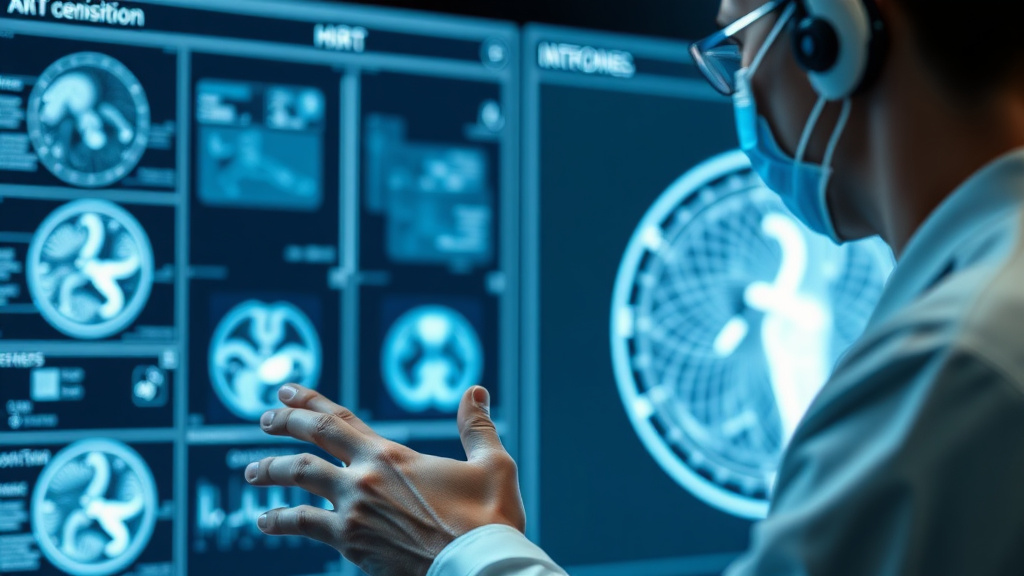

Imagine a world where diseases are recognized in advance of symptoms and diagnoses take seconds instead of weeks. AI systems is turning this vision into reality, reshaping diagnostic medicine with exceptional accuracy and swift results. From spotting malignancies to identifying rare genetic disorders, intelligent algorithms are surpassing conventional approaches and rescuing many patients. This article investigates how advanced computational methods and cutting-edge imaging systems are revolutionizing how diseases are diagnosed, the tangible achievements enhancing clinical care, and the challenges ahead in this transformative medical advancement.
Revolutionary Impact of AI on Healthcare Imaging
Artificial intelligence has fundamentally changed medical imaging by adding unprecedented levels of precision and efficiency to imaging analysis. Advanced AI algorithms now examine radiological images with impressive accuracy, identifying subtle deviations that might escape human observation. These AI systems process complex visual data in seconds, substantially reducing the diagnostic timeline and allowing healthcare providers to begin treatment faster than ever before.
The adoption of AI into radiology departments has sparked a fundamental transformation in how medical organizations operate. Radiologists now work alongside smart algorithms that function as sophisticated analytical partners, enhancing their diagnostic performance and alleviating time constraints. This collaborative approach merges professional judgment with computational exactness, leading to more reliable diagnoses and superior patient care across multiple medical disciplines and imaging modalities.
Enhanced Detection Features
AI-powered imaging systems excel at detecting early-stage diseases when treatment is most beneficial. These algorithms can recognize small calcium deposits, tumors, and structural abnormalities with accuracy levels surpassing ninety-five percent in many applications. By analyzing extensive image databases during training, machine learning models develop recognition skills that outperform traditional diagnostic methods, enabling detection of conditions at their earliest, most responsive stages.
The improved diagnostic functions cover multiple imaging modalities encompassing X-rays, CT scans, MRI, and ultrasound. AI systems concurrently assess numerous diagnostic criteria while preserving consistent performance standards throughout varied patient groups and imaging devices. This uniform protocol delivers consistent findings independent of geographic location or facility capabilities, broadening availability to high-quality diagnostic reliability.
Minimizing Diagnostic Mistakes
Human fatigue and cognitive constraints commonly lead to diagnostic errors in high-volume healthcare environments. AI systems operate with unwavering consistency, unaffected by fatigue, distraction, or time pressures that undermine human decision-making. By delivering evidence-based, quantitative assessments, artificial intelligence substantially decreases false negatives and false positives, minimizing missed diagnoses and unnecessary interventions that strain patients and healthcare systems.
The deployment of AI quality management tools creates enhanced protections against misdiagnosis. These systems flag ambiguous cases for specialist review, ensuring complex or borderline findings get suitable professional judgment and attention. This strategic prioritization system enhances resource allocation while preserving diagnostic accuracy, building a robust protective framework that safeguards patient well-being throughout the diagnostic process.
Practical Applications and Real-World Success Stories
Artificial intelligence has shifted from theoretical promise to practical reality in medical diagnostics, with many clinical uses delivering tangible benefits. Medical facilities and diagnostic centers worldwide are implementing AI systems that examine medical images, laboratory findings, and patient data with exceptional precision. These applications have resulted in faster diagnosis, fewer diagnostic mistakes, and improved patient outcomes across multiple specialties. The adoption of AI technology into clinical workflows represents a fundamental change in how medical professionals approach diagnosis and treatment planning.
Documented case studies highlight the transformative impact of AI in clinical facilities. Medical institutions document significant improvements in diagnostic accuracy rates, with some AI systems achieving performance levels that equal or outperform veteran diagnostic experts. These innovations have led to accelerated care delivery, reduced healthcare costs, and improved patient outcomes for patients. As growing numbers of facilities adopt AI technologies, the overall body of evidence establishes that artificial intelligence is much more than a technical innovation but a fundamental improvement in diagnostic proficiency.
Advances in Cancer Detection
AI-powered cancer detection systems have attained unprecedented success in diagnostic screening. Deep learning algorithms developed using millions of medical images can identify malignant tumors in mammograms, CT scans, and pathology slides with outstanding accuracy and precision. These systems identify cancers at earlier phases when therapy is more efficient and minimally invasive. Leading oncology institutions report that AI assistance has boosted detection rates by as much as thirty percent while decreasing false positives, in turn enhancing patient survival rates.
Clinical trials reveal that AI systems are proficient in recognizing minor irregularities invisible to the human eye. Oncologists utilizing AI-supported diagnostic tools report increased assurance in their assessments and reduced diagnostic timeframes. The technology shows remarkable benefit in detecting uncommon malignancies and identifying at-risk individuals for preventative measures. Hospitals implementing these systems have recorded shorter diagnostic intervals and enhanced care strategy development, producing superior treatment results and enhanced patient prognosis.
Cardiovascular Disease Detection
Heart disease continues to be a leading cause of death worldwide, and AI is transforming its early identification and management. Machine learning algorithms examine ECGs, echocardiograms, and coronary imaging with high accuracy, identifying irregular heartbeats, valve problems, and coronary blockages before symptoms appear. AI systems can predict risk of heart attack and stroke by analyzing patterns in patient data that doctors might overlook. These applications allow for preventive interventions that preserve life and decrease healthcare burden substantially.
Cardiologists frequently depend on AI-assisted diagnostic tools that enhance their diagnostic decision-making. Studies show that AI models can detect atrial fibrillation and additional cardiac disorders with higher precision than standard diagnostic methods. Integration of AI into cardiology workflows has reduced diagnostic delays and facilitated prompt treatment for at-risk patients. Hospitals employing these systems report enhanced patient outcomes, decreased emergency visits, and enhanced quality of life for cardiac patients through early identification and treatment.
Upcoming Prospects and Implementation Challenges
Advanced Technologies and Growth
The outlook of AI in medical diagnostics seems exceptionally promising, with emerging technologies set to enhance diagnostic capabilities further. Quantum computing and advanced neural networks will facilitate increasingly intricate pattern analysis, potentially identifying diseases at molecular levels formerly undetectable. Integration of AI with wearable devices and remote monitoring systems will democratize access to advanced diagnostic tools, enabling patients across the globe to obtain premier medical assessments irrespective of geographical location or healthcare infrastructure limitations.
Legal and Ethical Considerations
Despite substantial potential, considerable deployment challenges must be addressed before large-scale AI integration. Regulatory frameworks remain fragmented across jurisdictions, creating uncertainty for medical institutions and technology developers. Data security concerns, algorithmic transparency demands, and responsibility concerns demand close attention. Creating uniform validation standards and ensuring artificial intelligence solutions complete comprehensive clinical testing comparable to pharmaceutical approvals will be vital for fostering credibility and safeguarding patient wellbeing throughout healthcare organizations worldwide.
Workforce Integration and Training
Successfully incorporating AI into clinical practice requires thorough workforce training and organizational restructuring. Healthcare professionals must acquire fresh skills to partner successfully with AI systems while maintaining their critical clinical judgment roles. Medical schools and training programs need educational modifications emphasizing AI literacy and human-AI collaboration. Resolving employee worries about employment loss through upskilling efforts and illustrating how AI enhances instead of substituting human expertise will be vital for successful implementation.
